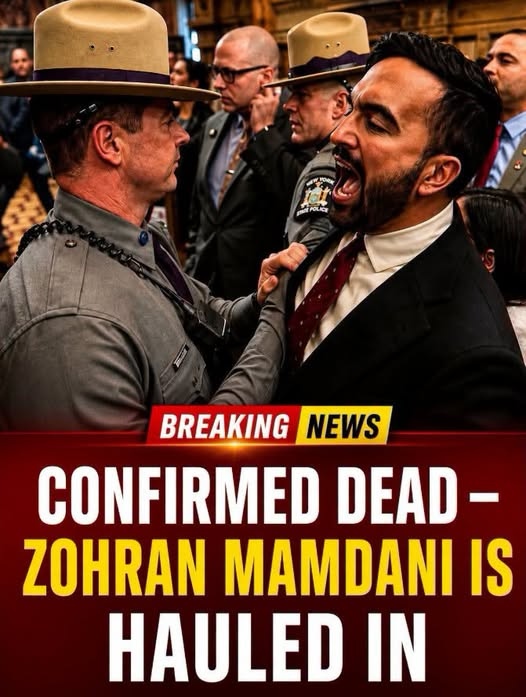
New York City’s health department investigated a cluster of Legionnaires’ disease in parts of the Upper East Side in July 2026. A Facebook photo presents a claim about Mayor Zohran Mamdani himself. The accompanying article instead concerns the city’s handling of the outbreak. The health department’s releases document illnesses and deaths among people affected by the cluster. They do not report the claim made about the mayor in the image.
The investigation focused on Carnegie Hill and Yorkville and eventually covered ZIP codes 10028, 10128 and 10075. The city initially announced it was investigating a likely community cluster on July 2. Officials shared further updates as they collected information about cases and investigated possible environmental sources. Each update described what was known at the time it was issued.
On July 31, the department announced that the period during which new symptoms were expected from the exposure had passed. Its release said 92 cases had been associated with the cluster as of July 30. It reported that 79 people had been hospitalized, five remained hospitalized and seven had died. Those figures describe the department’s findings at the time of that announcement. A figure reported while an investigation is ongoing represents a dated count.
The announcement about exposure addressed the immediate risk in the affected area. It did not end public discussion about how quickly officials responded or what long-term changes might help prevent another cluster. Those are separate issues. A health department can determine that a particular exposure period has ended while examining whether monitoring and inspections should change.
Cooling towers were a central part of the city’s response. In September, the mayor’s office and health department announced measures intended to improve how the city monitors towers and enforces its requirements. The announcement pointed to unregistered towers found during investigations as one reason officials wanted to strengthen oversight. The publication of that policy update provides a dated record of what the city said it planned to do after the summer.
The City Council also publicly addressed the outbreak. Council members and community leaders appeared at Lenox Hill Hospital to discuss residents’ concerns and the city’s response. That public debate is part of the story the linked article is trying to capture. It is a debate about government decisions during a public health event, rather than evidence for a personal claim about Mamdani.
For readers following the outbreak, the important distinction is between the event dates and the date of a repost. The department was reporting on the cluster in July. Further policy announcements followed later. A post using a dramatic image months afterward can make an old count sound like a new emergency. Reading the original health updates in order shows which numbers and findings belong to each stage.
The department’s July release announced the end of elevated exposure risk in the specified ZIP codes, and the September announcement described changes the city wanted to make. Those records are the foundation for describing what happened. The linked article’s criticism of the response can be attributed as criticism, while the underlying case figures and public announcements can be checked against the department’s own publication.
