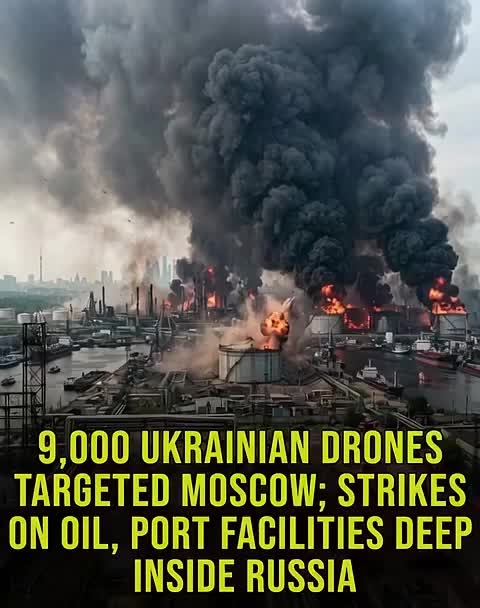
Moscow Mayor Sergei Sobyanin says nearly 9,000 Ukrainian drones were directed toward Moscow and the surrounding region during August, according to The Moscow Times. In a statement, Sobyanin reported that 8,670 unmanned aerial vehicles were detected heading toward the region between 8:30 a.m. on August 1 and 8:30 a.m. on September 1.
He claimed Russian air defense systems intercepted most of the drones before they could reach the outer areas of the capital. According to his account, 795 drones were destroyed while approaching Moscow itself. The figures have been attributed to the mayor, and the statement does not independently establish how many drones were launched, how many reached their intended targets, or the extent of any resulting damage. The reported scale highlights the continued pressure of drone warfare around the Russian capital, while also underscoring the importance of distinguishing official claims from independently verified battlefield information as the war continues.
The figures in the linked text concern a month-long period, from the morning of August 1 to the morning of September 1. They should not be read as the number of drones involved in a single attack shown in the reel. The difference matters because a headline can compress a cumulative total into an image of one event.
Another distinction is geographical. The report discusses drones approaching Moscow and the surrounding region, while the smaller figure of 795 is attributed to the approach to Moscow itself. Those categories cover different areas. Combining them without explaining the coverage could give readers a misleading impression of how many aircraft reached the capital.
The interception figures are claims attributed to Moscow’s mayor. The linked account does not offer an independent count of launches, interceptions, impacts or damage. Those are different measures, and one cannot automatically be calculated from another. A reported interception total is not the same as a confirmed list of targets struck.
The video depicts a large fire and smoke, but the accompanying source does not identify that footage’s location or time. A visible industrial-looking site is not enough to establish a particular port or oil facility. Matching a scene to an event would require information such as a named location, a recording date and corroborating reports.
The source’s final paragraph recognizes the limits of the figures. That qualification is part of the story and should accompany any discussion of scale. The most precise account available from the page is that Sobyanin reported a large monthly total and claimed that most drones were intercepted. The actual effects of individual attacks remain a separate question.
For readers following the war, dates and categories are particularly useful because cumulative figures circulate for a long time. The monthly report can be discussed as a historical statement without turning it into an announcement that the same number of drones has just reached Moscow. The article does not establish that conclusion.
The time period and the mayor’s attribution should therefore stay attached to the figures whenever they are repeated. Both are necessary to understand what was actually reported.
