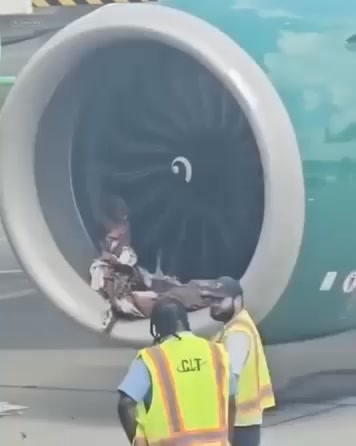
The aircraft involved in the incident was an Airbus A320-251N, a modern member of the A320neo family known for its fuel-efficient engines and advanced avionics. At the time of the event, the jet was approximately 5.7 years old and registered in the United States under the tail number N365FR. This aircraft was scheduled to operate a regularly planned departure for Frontier Airlines, designated as Flight F9 3134, with its planned destination being LaGuardia Airport (LGA) in New York City. The flight was part of Frontier’s typical route network and the aircraft had already completed an inbound trip earlier in the morning without any reported irregularities.
Before the occurrence that ultimately grounded the aircraft, N365FR had arrived from Philadelphia on Frontier flight F9 2387, touching down around 10:25 AM local time. The inbound flight itself was uneventful, and after passengers disembarked, ground teams prepared the aircraft for its next scheduled service. These preparations typically include cleaning the cabin, restocking necessary supplies, conducting routine exterior checks, and performing all standard procedures required to transition the aircraft from one leg of service to the next. Everything appeared routine as the aircraft was turned around for its outbound assignment.
However, during the period when the aircraft was being prepared for engine start, or possibly while it was undergoing an electrical power-up sequence before the engines were actually brought online, an unexpected and dangerous chain of events unfolded. The No. 1 engine, a CFM International LEAP-1A26 turbofan, reportedly produced a level of suction strong enough to pull a ground-based air-conditioning hose into the intake area of the engine. These hoses are commonly used on the ground to regulate cabin temperature while the aircraft is parked at the gate, ensuring passenger comfort and reducing fuel burn by avoiding the use of onboard auxiliary power systems.
The LEAP-1A engine, like all high-bypass turbofans, generates powerful airflow whenever it is spinning—even at low speeds during startup. If equipment is placed too close to the intake—especially lightweight hoses, ropes, plastic coverings, or loose gear—the force can be enough to draw objects inward. Airport operators have well-established safety policies to prevent such occurrences, including maintaining proper clearance zones around active engines, properly securing all ground equipment, and ensuring communication between the flight crew and ramp personnel at all stages of engine start. In this case, however, the reports indicate that the suction effect overwhelmed the placement of the hose, drawing it directly into the engine’s inlet.
Upon contact with the rotating fan blades and internal components, the hose was torn apart almost instantly. Engines are designed to withstand a certain degree of foreign object exposure, but soft materials like plastic or rubber hoses can still cause serious harm. When the engine ingested the hose, pieces were pulled through various internal sections, leading to what is classified as a foreign object debris (FOD) event. FOD events are taken extremely seriously in the aviation industry because they can compromise engine efficiency, increase wear, damage sensitive components, and, in severe cases, create immediate safety hazards.
Eyewitness accounts from personnel familiar with the situation suggest that the shredding of the hose was rapid and unmistakable. Ground staff nearby reportedly noticed the event right away, as foreign object ingestion often produces abnormal sounds, vibrations, or visible reactions within the engine housing. Standard response protocols for ground personnel include halting any ongoing procedures, notifying supervisors, and ensuring that the flight crew is informed so any engine startup can be immediately stopped to prevent further damage.
