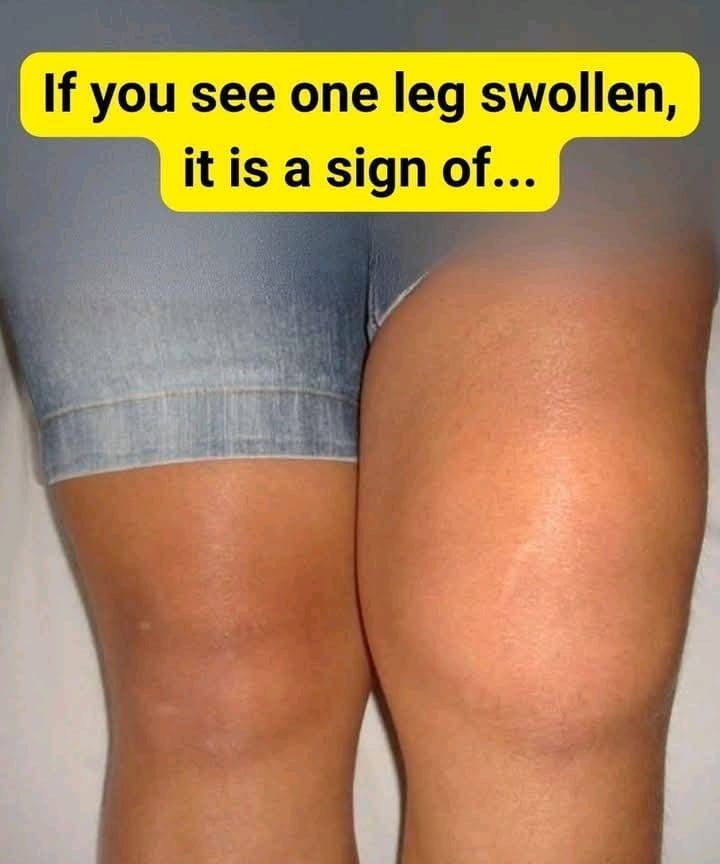
The human body is a marvel of symmetry, a balanced architecture where each side typically mirrors the other in form and function. When that symmetry is suddenly disrupted—specifically when you glance down to find one knee transformed into a swollen, unrecognizable version of its counterpart—the experience can be deeply unsettling. Unilateral knee swelling, or the puffiness of just one joint, is a biological red flag that demands an investigation. While bilateral swelling (affecting both knees) often suggests systemic, body-wide conditions such as rheumatoid arthritis or congestive heart failure, a single swollen knee is almost always a localized cry for help from that specific joint. Navigating the potential causes requires a blend of physical intuition and medical insight to determine whether the issue is a temporary protest from overexertion or a significant structural failure.
The most frequent culprit behind the sudden expansion of a single knee is acute trauma or cumulative mechanical injury. The knee is one of the most complex joints in the body, acting as a hinge that must also support the weight of the entire torso while allowing for rotation and pivoting.1 When an injury occurs, the body’s primary defense mechanism is inflammation. It floods the area with synovial fluid and white blood cells, creating a “cushion” of sorts, which manifests as visible swelling. You might have a clear memory of the moment the damage was done—a sharp pop during a tennis match or a stumble on a curb—but often, the injury is insidious.
Internal derangements are common structural causes.2 A tear in the Anterior Cruciate Ligament (ACL) or the Medial Collateral Ligament (MCL) can cause the joint to fill with blood and fluid almost immediately, a condition known as hemarthrosis.3 Similarly, a meniscus tear—damage to the C-shaped cartilage that acts as a shock absorber—can cause the knee to swell gradually over several hours or even days.4 In older adults, even a simple “bone bruise” or a micro-fracture resulting from a minor fall can lead to significant localized swelling that lingers far longer than expected. If the swelling is accompanied by a sensation of the knee “locking” or “giving way,” the likelihood of a structural tear is high.+2
Beyond the ligaments and bones, the soft tissues surrounding the joint are often to blame. Bursitis is a prime example of a localized inflammatory response. The knee is equipped with several bursae—small, fluid-filled sacs that act as gliding surfaces to reduce friction between tissues.5 The prepatellar bursa, located right over the kneecap, is particularly vulnerable.6 Historically referred to as “housemaid’s knee,” prepatellar bursitis occurs when this sac becomes irritated, often due to prolonged kneeling or a direct blow.7 Unlike a deep joint injury, bursitis swelling often looks like a soft, fluid-filled “egg” sitting on top of the kneecap. While it can be painful and limit movement, it is technically outside the joint itself, though it creates a dramatic visual discrepancy between the two legs.+2
Another common but often overlooked cause of one-sided swelling is the presence of a Baker’s Cyst, or a popliteal cyst. This occurs when an underlying issue within the joint, such as osteoarthritis or a small cartilage tear, causes the knee to produce an excess of synovial fluid.8 This fluid has to go somewhere, and it often collects in a pocket at the back of the knee. While the front of the knee might look relatively normal, the back of the leg becomes tight and swollen, making it difficult to fully straighten or bend the limb. In some cases, these cysts can rupture, sending fluid down into the calf and mimicking the symptoms of a much more serious condition: a blood clot.9+1
It is here that we must address the more serious, non-mechanical causes of unilateral swelling. If a knee is swollen, red, and hot to the touch, it may be a sign of an infection, known as septic arthritis.10 This is a true medical emergency where bacteria have entered the joint space, often through a small cut or even through the bloodstream from an infection elsewhere in the body.11 Unlike a simple sprain, an infected knee is typically accompanied by a fever and an inability to bear any weight on the leg.12 Similarly, crystalline arthropathies like gout or pseudogout can strike a single joint with terrifying speed. In these cases, uric acid crystals (gout) or calcium pyrophosphate crystals (pseudogout) deposit within the joint, causing an inflammatory storm that looks identical to an injury but is actually a metabolic event focused on one location.13+3
Furthermore, we cannot ignore the vascular implications. While “swelling” usually refers to the joint itself, a Deep Vein Thrombosis (DVT)—a blood clot in the leg—can cause the area around and below the knee to expand significantly.14 This is a life-threatening situation, as the clot can travel to the lungs.15 If the swelling is associated with calf pain, a “heavy” feeling in the leg, or skin that is bluish or discolored, immediate emergency intervention is required.+1
Living with a lopsided body is a lesson in patience and self-care. When you encounter one-sided swelling, the first line of defense is often the R.I.C.E. protocol: Rest, Ice, Compression, and Elevation.16 By elevating the knee above the level of the heart, you assist the lymphatic system in draining the excess fluid that the inflammatory response has gathered.17 However, self-treatment has its limits. If the swelling is the result of a significant impact, if the joint looks visibly deformed, if you cannot bear weight, or if you feel a systemic sense of illness such as a fever, the time for home remedies has passed.+1
In the modern world, where we often push our bodies to perform beyond their natural limits, a swollen knee is a signal to slow down and recalibrate. Whether it is the result of a “housemaid’s” day of kneeling or an athlete’s torn ligament, the swelling is a testament to the body’s incredible ability to protect and heal itself. By paying close attention to the specific characteristics of the swelling—where it sits, how it feels, and what preceded it—you can work with healthcare professionals to ensure that your symmetry is restored and your mobility remains intact for years to come. The knee may be a single joint, but it is a vital hinge upon which our daily freedom of movement depends.
