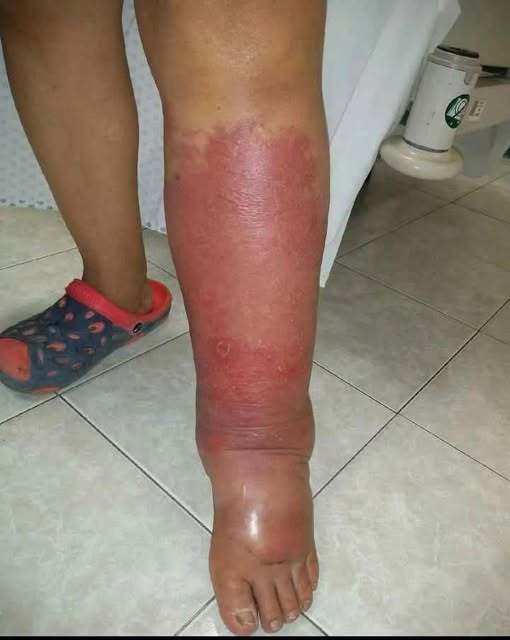
Swelling in the feet is something many people experience at some point in their lives. While it may appear harmless at first glance, swollen feet—medically referred to as peripheral edema—can reflect various underlying factors. Some causes are minor and temporary, while others may signal deeper health concerns that require medical attention. Because your feet play a vital role in mobility and balance, understanding why swelling occurs and how to respond to it is an important part of maintaining overall well-being.
Swollen feet occur when excess fluid collects in the tissues of the lower extremities. This fluid buildup can come from the body’s natural response to injury, inflammation, lifestyle habits, or medical conditions that impact circulation, organ function, or fluid balance. Although the experience can be uncomfortable, recognizing the possible triggers of foot swelling can help individuals make informed decisions about when to rest, when to make lifestyle adjustments, and when to seek professional guidance.
In this comprehensive guide, we will explore the different reasons swollen feet occur, discuss common contributing factors, outline strategies for reducing swelling, and explain what symptoms should prompt you to contact a healthcare provider. The goal is to help you better understand your body’s signals in a responsible, balanced, and medically appropriate way.
What Exactly Is Edema?
Edema is the accumulation of excess fluid in the body’s tissues. When this fluid gathers in the feet, ankles, or lower legs, it causes noticeable puffiness and enlargement. Sometimes the swelling is mild, and at other times it can become so pronounced that shoes feel tight or walking becomes difficult.
While edema can occur anywhere in the body, the feet and ankles are particularly vulnerable because of their position. Gravity pulls fluids downward, making the lower extremities a common site for swelling.
Edema may be temporary—caused by standing for too long, eating a salty meal, or minor injury—but it can also be a sign of imbalances within the cardiovascular system, kidneys, or liver. Because of this range of possible explanations, it is helpful to pay attention to any changes and how long swelling persists.
