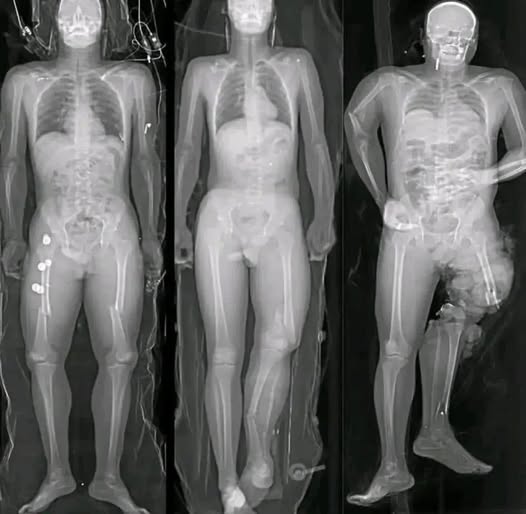
Over the past several months, a familiar pattern has re-emerged across social media platforms. Short, emotionally charged messages paired with striking visuals have once again captured widespread attention. Many of these posts begin with phrases such as, “If you received the COVID vaccine, you need to know this,” immediately signaling urgency and concern. The images that accompany these messages are often dramatic—most notably depictions of syringes positioned near or pointed directly at the human heart.
While these visuals are powerful, they are rarely supported by detailed medical explanation or reliable sourcing. Instead, they rely on emotional impact, ambiguity, and fear to encourage rapid sharing. For individuals who lived through years of uncertainty during the global pandemic, such messages can easily reopen unresolved worries about health, safety, and long-term consequences.
Understanding what is supported by scientific evidence—and what is not—is essential in today’s digital environment. With misinformation able to travel faster than ever before, learning how to assess viral health claims has become an important life skill, not just a medical concern.
Why Fear-Driven Health Messages Spread So Easily
The effectiveness of viral vaccine-related content lies largely in how it is designed. Images that imply immediate danger trigger instinctive emotional responses before logic has time to intervene. A syringe near the heart instantly suggests threat, regardless of whether the implication is medically accurate.
Psychologists and media analysts have long observed that fear-based messaging spreads more rapidly than calm, fact-driven communication. On algorithm-driven platforms, engagement often matters more than accuracy. Posts that provoke strong reactions—shock, anger, or anxiety—are more likely to be shared, commented on, and promoted by automated systems.
Another reason these messages gain traction is their use of real medical terminology without adequate explanation. Terms like “myocarditis,” “heart inflammation,” or “cardiac damage” are mentioned without context, scale, or comparison. This selective use of information can make rare medical outcomes appear common, creating a distorted perception of risk.
The Lingering Impact of Pandemic Anxiety
Even though much of the world has moved beyond lockdowns and emergency restrictions, the emotional effects of the pandemic have not disappeared. For many people, the experience of constant health alerts, changing guidelines, and conflicting opinions created a lasting sense of uncertainty.
Viral vaccine warnings tap directly into this unresolved anxiety. They often suggest that critical information has been hidden or ignored, implying that viewers are being exposed to a truth others don’t want them to see. This framing is particularly effective in environments where trust in institutions has weakened.
In such conditions, emotionally compelling narratives can feel more convincing than carefully worded scientific data, even when those narratives lack evidence.
