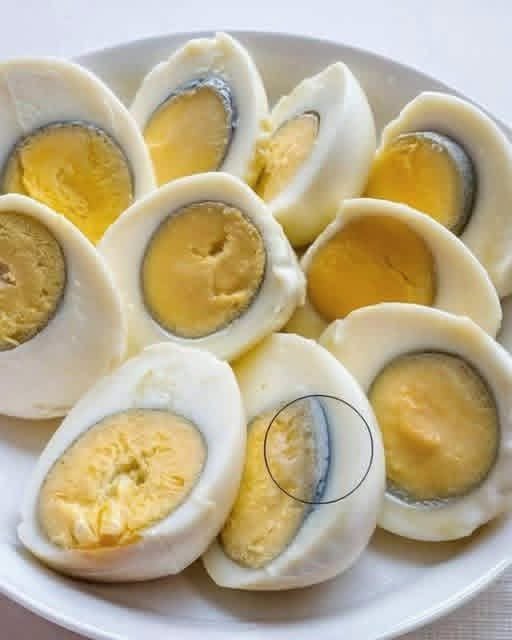
When you slice open a hard-boiled egg and notice a faint green or gray ring encircling the yolk, it can be surprising or even a little unappetizing at first glance. However, this phenomenon is not a sign that the egg has spoiled or become unsafe to eat. In fact, it is simply the result of a natural chemical reaction that occurs during the cooking process. To truly understand why this ring appears, it helps to take a closer look at the unique composition of an egg and how heat affects its internal structure.
Eggs are made up of two primary components: the white and the yolk. The egg white, also known as the albumen, is rich in proteins and contains sulfur compounds. The yolk, on the other hand, is packed with nutrients, including fats, vitamins, and minerals—most notably iron. Under normal circumstances, the sulfur in the egg white and the iron in the yolk remain separate and stable within their respective areas. They coexist without interacting in any noticeable way.
The situation changes when eggs are exposed to high temperatures, especially for extended periods. As heat penetrates the egg, it begins to alter the proteins and chemical compounds inside. When the cooking process becomes too intense or prolonged, the sulfur in the egg white starts to react with the iron in the yolk. This reaction produces a compound known as iron sulfide. It is this compound that gives the yolk its greenish-gray outer ring.
In simple terms, the green ring is a visible indicator of a chemical reaction triggered by excessive heat. While it may not look particularly appealing, it is completely harmless. The egg remains safe to eat, though some people notice that overcooked eggs with this ring may have a slightly stronger sulfur-like smell or a drier, crumbly texture. These changes in flavor and texture are a result of overcooking rather than spoilage.
