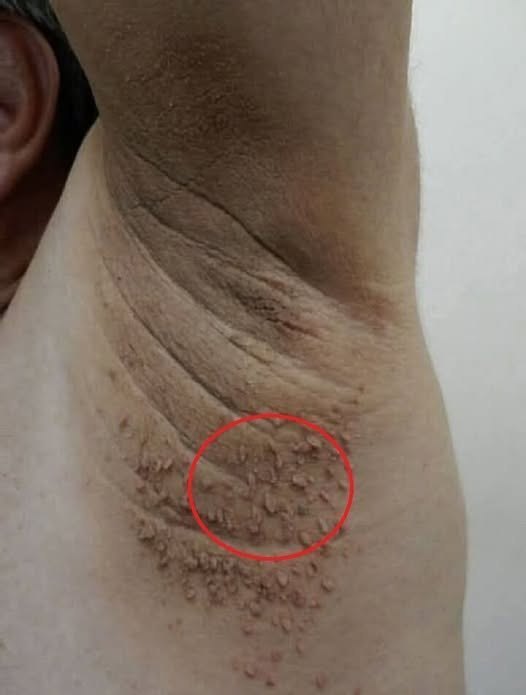
Darkened patches of skin, particularly around the neck, are often dismissed as simple dirt or a buildup of dead skin cells. Many people assume that with enough soap, exfoliation, or vigorous scrubbing, the discoloration will fade. However, in some cases, these marks may signal an underlying medical condition rather than a hygiene issue. One such condition is acanthosis nigricans, a skin change that can be associated with insulin resistance and may serve as an early warning sign of type 2 diabetes.
Recently, a medical doctor on social media drew public attention to this topic by encouraging parents and individuals to look more closely at unusual dark patches on the skin. Her message was straightforward: these marks are not always caused by poor hygiene. Instead, they may reflect changes occurring inside the body. She advised people not to ignore persistent discoloration, especially if it does not improve despite proper washing and skincare.
Understanding Acanthosis Nigricans
Acanthosis nigricans is a dermatological condition characterized by areas of darkened, thickened, and velvety skin. These patches most commonly appear in body folds and creases, including the back of the neck, underarms, groin, and sometimes around the elbows, knees, or knuckles. The affected areas may feel slightly raised or textured compared to the surrounding skin.
Although acanthosis nigricans itself is not contagious or dangerous on its own, it is often linked to underlying health issues. The most common association is insulin resistance, a condition in which the body’s cells do not respond effectively to insulin. Insulin is a hormone that helps regulate blood sugar levels. When cells resist insulin, the body produces more of it to compensate. Elevated insulin levels in the bloodstream can stimulate skin cells to grow more rapidly, leading to the thickened and darkened appearance characteristic of acanthosis nigricans.
Connection to Diabetes and Obesity
Acanthosis nigricans frequently appears in individuals who are overweight or obese. Excess body weight is a significant risk factor for insulin resistance and type 2 diabetes. In children and adolescents, the presence of this skin condition—especially when combined with obesity—may indicate an increased risk of developing type 2 diabetes later in life.
Type 2 diabetes is a chronic condition in which the body either resists the effects of insulin or does not produce enough insulin to maintain normal glucose levels. Unlike type 1 diabetes, which is primarily autoimmune and often diagnosed in childhood, type 2 diabetes is strongly linked to lifestyle factors such as diet, physical activity, and body weight.
The appearance of acanthosis nigricans can therefore serve as an early visual clue that blood sugar regulation may not be functioning optimally. While the skin changes themselves are not painful in most cases, they can pro
