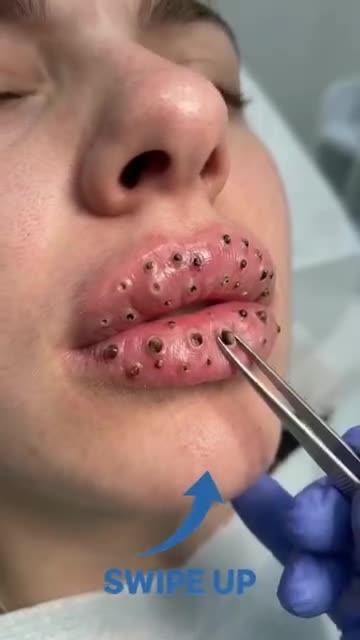
One of the most common skin concerns, pimples and blemishes are characterised by open or closed papules, in varying shapes and sizes, and found in both the deeper and surface layers of the skin.
Pimples are caused by clogged hair follicles, filled with dead skin cells, sebum, and certain germs and irritants from the environment (B. Dréno.)
“The changing faces of acne.” British Journal of Dermatology, (2015)). Pimple breakouts can either be a short-term skin concern or a long-term condition.
Understanding the different types of pimples, and their potential causes, can be invaluable to managing breakouts and preventing persistent pimples on your face and body. In this article, we’ll discuss the different types of pimples, how to identify their root cause, and how to visibly reduce and prevent breakouts in the future.
WHAT ARE THE TYPES OF PIMPLES?
Pimples, also called zits, spots, or blemishes, come in many different shapes and sizes. They usually manifest on the face, on the T-zone (forehead, nose and chin), cheeks, and jawline, or on the neck and back. The main types include:
Papules: Small, hard, red bumps that are sensitive and tender. Papules can appear as:
Blackheads: Open papules plugged with oil and dead skin cells that appear black.
Whiteheads: Closed papules plugged with oil and dead skin cells and appearing as small, white bumps.
Pustules: Similar to papules but with a pus-filled centre.
Nodules: Large, solid lumps located in the deeper layers of the skin and often uncomfortable sometimes referred to as blind pimples
Cystic breakouts: Large, pus-filled lumps that also develop deep in the skin. Can also be uncomfortable.
Friction-induced pimples: These blemishes appear as red spots, caused by friction, heat, and pressure on the skin.
Understanding different blemishes
Blackheads and whiteheads are also known as comedones. They form when a follicle becomes blocked. A blackhead has an opening at the surface, while a whitehead stays closed. Papules and pustules are inflamed blemishes. This distinction matters because several types of spots can appear together, and a routine that helps one person may need adjusting for another.
Everyday steps that can help
Wash gently up to twice a day and after sweating. Use your fingertips and a mild cleanser, then rinse without scrubbing. Harsh rubbing and frequent washing can irritate skin that is already inflamed. Choose skin care products and makeup labeled noncomedogenic or oil free, and remove makeup before going to sleep.
Try to keep your hands away from developing spots. Squeezing can make inflammation worse and increase the chance of lasting dark marks or scars. The appearance of a bump alone cannot establish its cause, especially when a lesion is unusually swollen or occurs in an unexpected area. A clinician can assess whether it is acne or another condition.
When professional care is helpful
Deep, painful spots, persistent breakouts, and acne that leaves scars are reasons to seek a dermatologist’s advice. Treatment can take time, so follow the product directions and discuss ongoing problems with a professional. Seek prompt medical assessment if swelling is spreading rapidly or comes with fever.
Further information is available from the National Institute of Arthritis and Musculoskeletal and Skin Diseases and the American Academy of Dermatology.
